
About two hours by boat southeast of Curaçao lies an island where nobody lives, but where everyone who visits says the same thing: this is the most beautiful water I have ever seen.
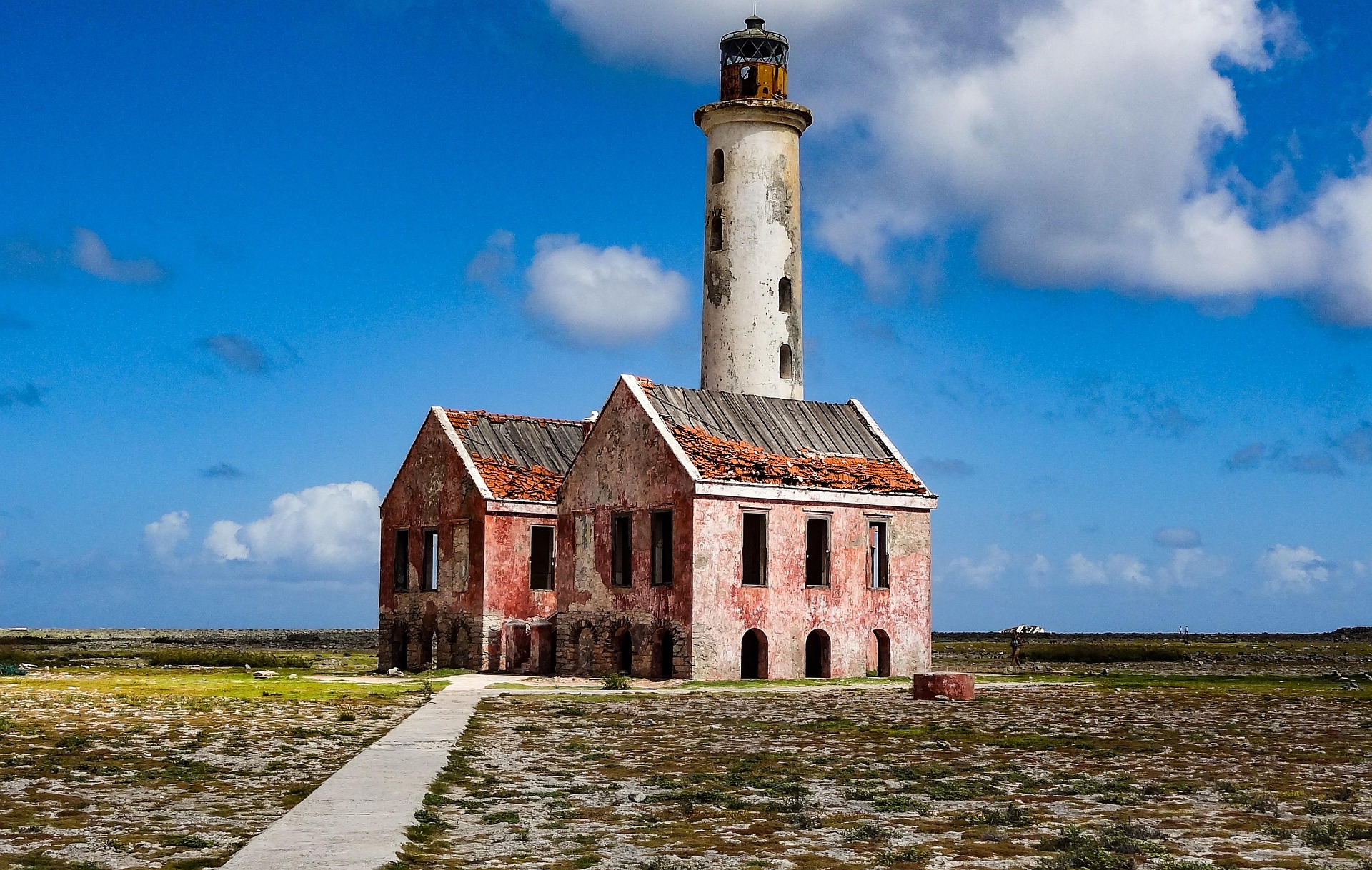
An island with a heavy past
Klein Curaçao is not quite two square kilometres and has been uninhabited for generations. During the era of the slave trade the island was used as a quarantine station, and the graves of people who did not survive the crossing are still there — a quiet, affecting piece of history that is part of any visit.
Strong north-easterly winds and treacherous currents wrecked dozens of ships here over the centuries. Remains of some of them, such as the Maria Bianca Guidesman which ran aground in 1982, are still visible from the beach.
The pink lighthouse
The first lighthouse on the island was built in 1850 but was destroyed by a hurricane in 1877. Its replacement still stands — 22 metres tall, built further inland to better withstand the weather — and remains in service today. It is the island’s best-known landmark.
Getting there and what to do
Klein Curaçao can only be reached by boat; several operators run day trips by catamaran, usually departing from the east of Curaçao where the crossing is shortest. A full day is the standard format: snorkelling in crystal-clear water, swimming near the wrecks, and a beach that never feels like a tourist crowd.
Bring plenty of water, sun cream and a hat — there is almost no shade, and the sun on the open island is fiercer than you expect.
Back to the Mambo Beach guide.